Analytics
agent
You have a question about your figures, but the right dashboard doesn't exist yet. An analytics agent answers it in plain language, like an analyst would, and warns you when something moves.
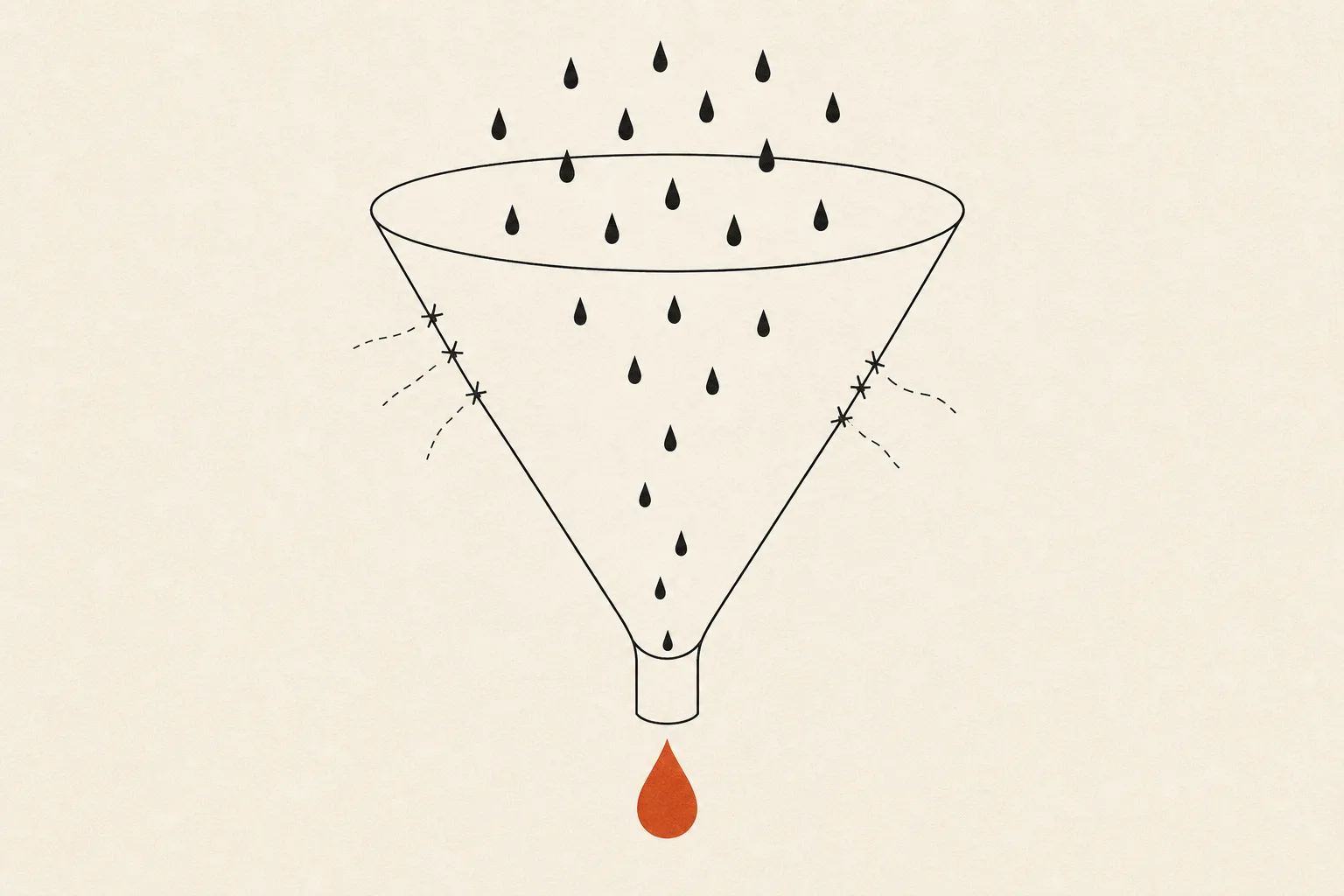
The answer is in your data. But between your question and it sit an analyst, a query and two days. So most questions are never asked.
A conversation, not a ticket to the data team.
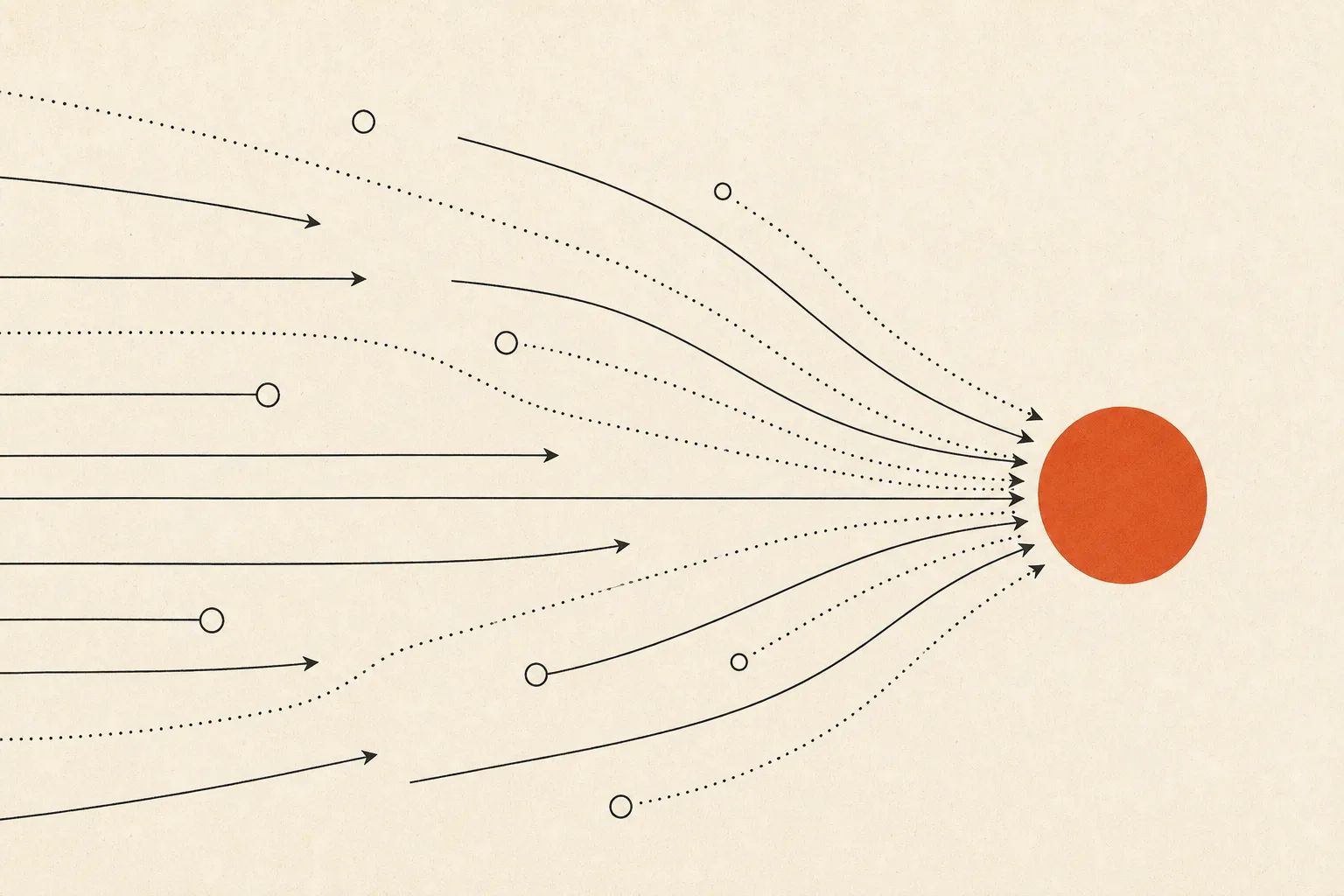
You ask the question in plain language, like you would an analyst. The agent turns it into a query, interrogates the data layer read-only, and returns a costed, sourced answer in seconds. For an open question, it chains analyses and returns its reasoning, not just the figure, so you can verify it.
- Costed, sourced answer in seconds, no query to write
- Reasoning returned, verifiable, not a black box
- Read-only, controlled scope and rights

From the question asked
to the insight pushed.
Plain-language answer
+ MCP
Multi-step investigation
Continuous metric watch
Pushed insights
+ alerting
The agent becomes the first reflex: you ask, it answers, it watches. Three markers observed on typical deployments.
- 0 requête to write to query the data
- secondes for a costed, sourced answer
- 24/7 of metrics monitoring
Your access to figures, today.
Four maturity stages. Spot yours, we target the first agent brick to wire.
- 01
Everything goes through the data team
Every question becomes a ticket, a query, two days of waiting. Management gives up on half its questions.
Bottleneck - 02You are here
Frozen dashboards
You have views, but never the one you need right now. The decision waits for the tool.
Rigid - 03
Partial self-service
Some can query the data, but monitoring is still manual. Weak signals still slip by unseen.
Hybrid - 04
The agent as first reflex
You ask in plain language, the agent answers and watches. The data team focuses on the deep work, the agent absorbs the daily load.
System
- Read-only by default
- Controlled scope and rights
- Human guardrails
- Sourced answers
- AI Act · GDPR compliant
What understands, queries
and watches.
| Category | Tool | Role |
|---|---|---|
| Reasoning model | Claude Opus 4.8 | Reasoning on open questions, multi-step analysis and insight synthesis. |
| Agent model | Claude Sonnet 4.6 | Translating questions into queries, reading results, writing answers. |
| Volume model | Claude Haiku 4.5 | Continuous metric monitoring and weak-signal detection. |
| Agent connection | MCP · Model Context Protocol | Secure connection of the agent to your data and business tools. |
| Data layer | DuckDB · BigQuery · Snowflake | Data layer queried by the agent, with controlled rights and scope. |
| Durable workflow | LangGraph | Long-analysis orchestration, scheduled monitoring, human guardrails. |
Before we wire the agent.
Q.01 Can the agent modify or delete data?
No. By default it is connected read-only, with a scope and rights you define. It queries and returns sourced answers, it never writes to your systems without an explicit guardrail.
Q.02 How do we check an answer is correct?
The agent returns its reasoning and sources, not just the figure. You see which data it queried and how it computed. On an open question, it shows the steps so you can check them.
Q.03 Do we need a data layer already in place?
It's ideal, but not a prerequisite. If your data is scattered, we start by unifying it (see Centralised data), then the agent plugs into it. One prepares the ground for the other.
Q.04 Who keeps control of proactive alerts?
You do. You calibrate what deserves an alert and who receives it. The agent reports, proposes a probable cause and a move, but the decision stays human, with guardrails in place.
Just ask.
The agent answers.
45 minutes. We look at your data and the questions you can't answer today, we price the agent that covers them. If we have nothing to offer, we say so.